
If you have just started your fertility journey, one of the most common treatments that might be recommended is Intrauterine Insemination (IUI). It is a simple procedure where specially prepared sperm are directly placed inside the uterus around the time of ovulation. This helps increase the chances of the sperm meeting the egg, especially when timing or sperm count is a concern.
IUI is less invasive than IVF and more affordable; it boosts the chances of conception when natural methods are not working. If you have decided to go with IUI, chances are that you are focusing only on the medical side. But what you may not realize is that lifestyle choices play a major role in how well the treatment works. Even small, consistent changes in diet, exercise, and daily habits can support IUI and improve your chances of conceiving.
Nutrition and Diet for IUI
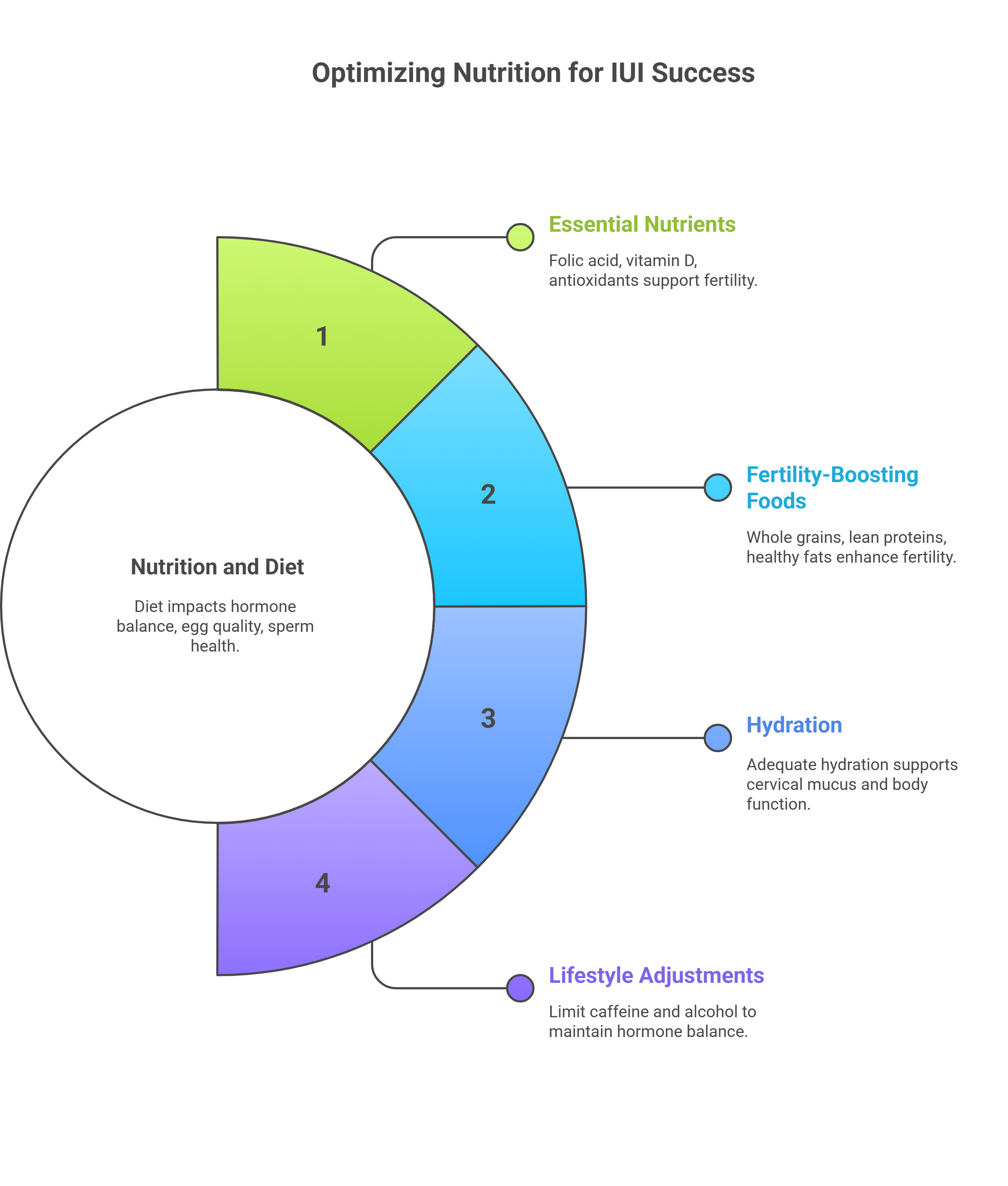
Good nutrition is very important for your reproductive system to function well. Your diet directly impacts hormone balance, egg quality, and sperm health. Including certain foods in your diet like whole grains, lean proteins, healthy fats, and low-glycemic foods, supports the body during fertility treatments.
There are certain nutrients that are important during the IUI journey, like:
- Folic acid supports cell development and reduces the risk of birth defects.
- Vitamin D improves reproductive hormone levels in both men and women.
- Antioxidants such as vitamin C and E protect eggs and sperm from oxidative stress.
You can include foods like brown rice, quinoa, lentils, beans, eggs, and fresh fruits and vegetables in your diet. Apart from this, omega-3 fatty acids from fish, flaxseeds, and walnuts help reduce inflammation and promote healthy hormone production. Read our blog, 14 Best Fertility Boosting Foods for Couples in Andhra Pradesh, to learn more about fertility-enhancing foods.
In addition to a balanced diet, you need to ensure that you are properly hydrated. Aim for at least eight glasses of water a day to support healthy cervical mucus and overall body function. Limit caffeine and alcohol intake, as they can interfere with hormone levels.
Exercise and Physical Activity
Regular physical activity relieves stress and helps manage weight. This is important as a healthy BMI supports better hormonal balance and ovulation. Activities like walking, yoga, swimming, and light strength training can boost blood flow and support reproductive health.
However, balance is essential. Over-exercising or high-intensity workouts can disrupt menstrual cycles and reduce sperm count. The goal is not to push your limits but to keep your body strong, flexible, and relaxed. A 30-minute walk or a gentle yoga session a few times a week can be more beneficial than intense gym routines. You can read more about the effect of exercise on fertility here.
Stress and Emotional Well-being
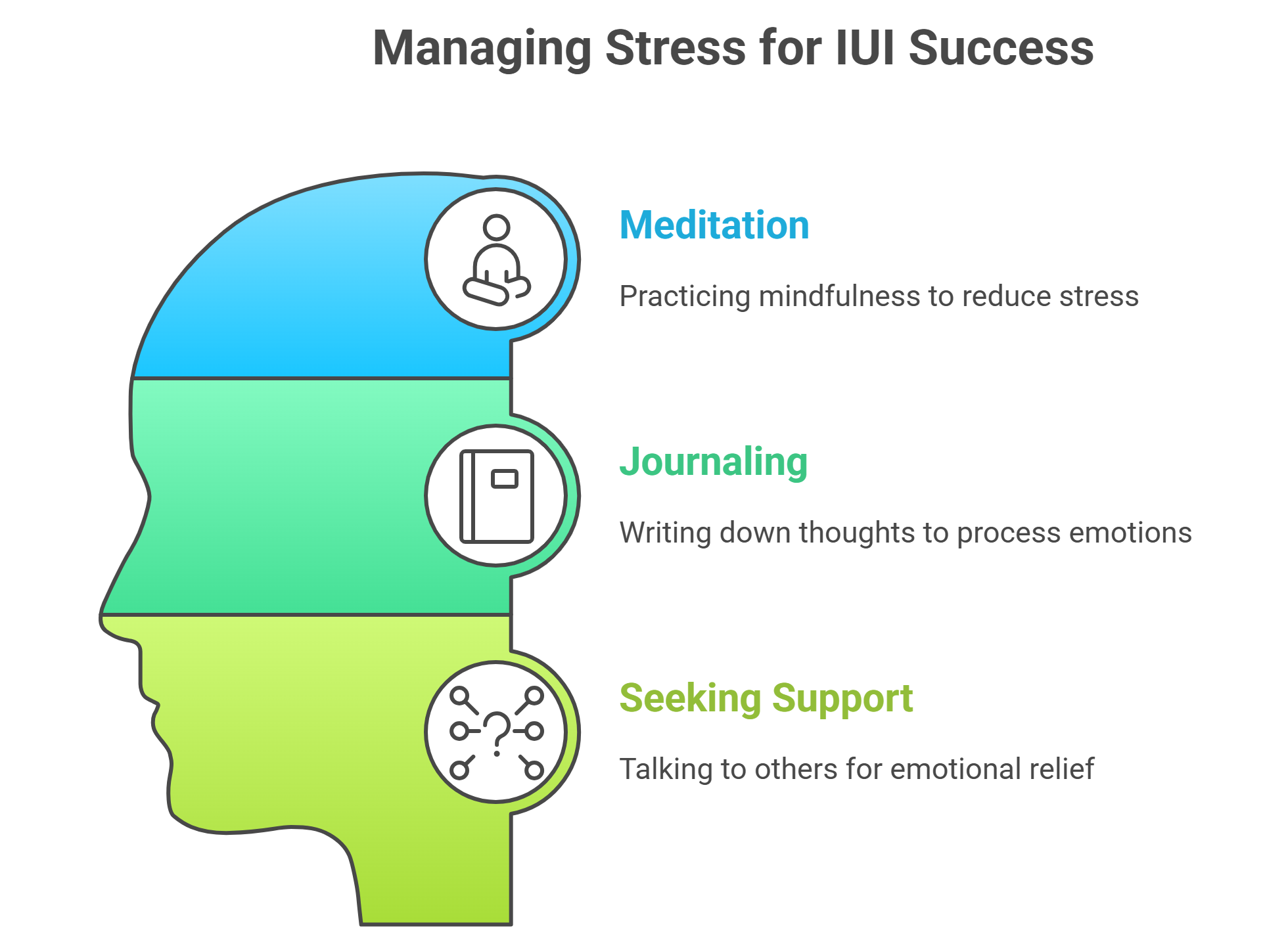
Fertility treatments can be quite stressful, and high stress levels can interfere with ovulation, affect sperm health, and make it difficult for you to stay positive. To improve the chances of IUI success, you have to find ways to manage stress. Some of the stress-relieving techniques you can explore are:
- Meditation: commit to 10-15 minutes a day of meditation or deep breathing exercises.
- Journaling: write down your thoughts, feelings, and worries to process emotions.
- Seek Support: talk to a neutral party, like a counselor or therapist, or join a support group. Sharing your feelings with others who understand the journey can reduce emotional pressure.
Remember, emotional health and physical health are closely connected, and both matter during IUI.
Avoid Harmful Substances
If you are preparing for or undergoing IUI, it is crucial to stay away from substances that can affect fertility.
- Quit Smoking and Limit Alcohol: Both smoking (active and passive) and alcohol consumption significantly decrease fertility in both men and women, and must be avoided.
- Be Cautious with Medicines: Always consult your fertility specialist about any over-the-counter medicines, herbal supplements, or vitamins you plan to take. Some common medications can interfere with fertility drugs or implantation.
- Reduce Exposure to Toxins: You can reduce your exposure by choosing BPA-free plastics and using natural cleaning products where possible.
Shared Responsibility: The Male Partner’s Role
The outcome of fertility treatments depends on the lifestyle choices of both partners. Sperm health improves with a balanced diet, regular exercise, and proper hydration. Men should include antioxidant-rich foods like berries, nuts, and leafy greens to protect sperm from oxidative stress.
Avoiding prolonged heat exposure is also important. Hot tubs, saunas, or even keeping a laptop on the lap for long hours can affect sperm production. Getting enough sleep, managing stress, and maintaining a healthy weight all contribute to better sperm quality.
IUI is a good first step in your fertility journey; however, its success depends more than just on the medical procedure. Nutrition, exercise, stress management, and healthy daily habits all work together to give you a chance of a successful pregnancy.
If you are considering IUI, the expert team at London IVF Centre can guide you through every step with personalised care and holistic support. Reach out today to take your first step toward parenthood.
