So, you have just finished your embryo transfer and are now entering an important but gentle part of your IVF journey. First off, take a deep breath. It’s completely normal for your mind to now race towards the next step, fixating on every little twinge and wondering, “Am I doing this right?” The first 48 hours can feel like a lifetime, wrapped in a mix of hope and anxiety.
Let’s get one thing straight from the start: while these hours feel crucial, your ultimate success doesn’t hinge on lying perfectly still for two days. This guide offers you simple, practical steps to navigate this waiting period with confidence and care.
What’s Actually Happening Inside Your Body after IVF?
After the embryo transfer, your little embryo is embarking on its own big adventure. It’s floating in the uterine cavity, looking for the perfect, cosy spot to implant. This process, called implantation, doesn’t happen instantly. It’s a delicate dance between your embryo and your uterine lining, one that takes several days to complete.
Many of us grew up hearing the myth of strict bed rest. But modern research tells a different story. Research shows that you don’t need complete bed rest, gentle movement actually supports healthy blood flow to your uterus, which is a good thing. You might feel some mild cramping, a bit of fatigue, or even light spotting. Your body is doing its job. Trust it.
Resting Smart: Your Body’s Best Friend
We said “no” to strict bed rest, but we give a resounding “yes” to smart rest. Your body has been through a lot. Plan for light rest. Think of it as a lazy weekend. You might spend a few hours on the sofa with a good book or your favourite feel-good series. But you can also get up to make a cup of tea, walk gently to the bathroom, or putter around the kitchen. This light activity prevents stiffness, supports circulation, and can actually ease anxiety better than staying completely stationary.
So, what does “light activity” really mean after IVF implantation?
Feel free to:
- Take slow, gentle walks around your home.
- Do some light stretching.
- Move through your day at a relaxed pace.
For now, press pause on:
- High-intensity workouts, running, or cycling.
- Lifting anything heavier than a full kettle.
- Any activity that jars your body or strains your core.
Your goal is comfort, not cardio.
Nourishing Your Body and Soul
You don’t need a special “implantation diet,” but choosing comforting, nutritious foods can make a world of difference.
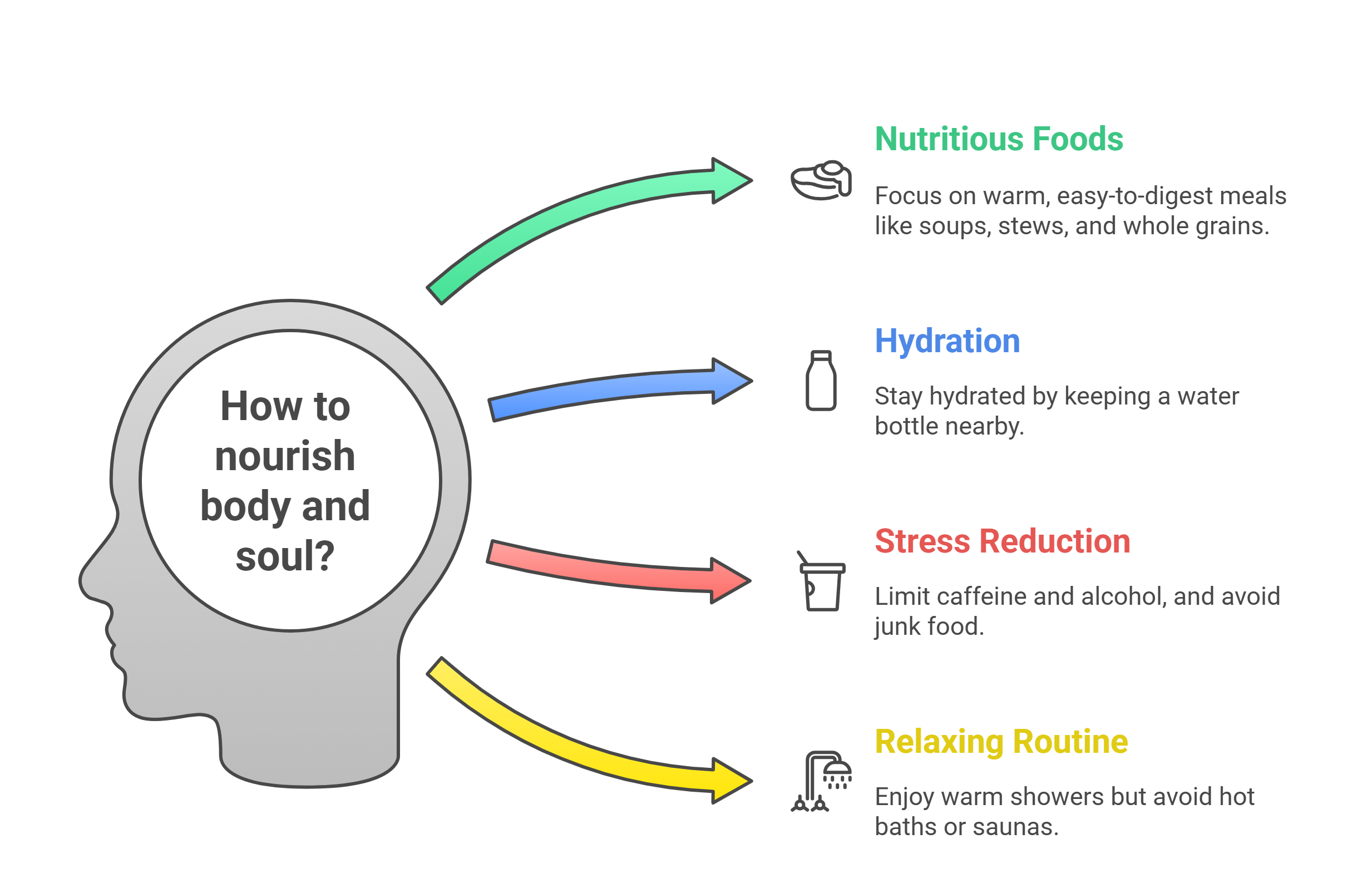
Focus on warm, easy-to-digest meals. Soups, stews, whole grains like oats or quinoa, and steamed fruits feel nurturing. Stay hydrated, keep a water bottle by your side. Good hydration helps with everything from blood flow to keeping those pesky progesterone-related bloating symptoms at bay. Read more about nutrition during IVF pregnancy here.
It’s also a good time to limit things that can add stress to your system. Cut back on caffeine, avoid alcohol completely, and maybe swap the junk food for something that makes your body feel truly nourished. And for your daily routine? A warm shower is perfectly fine and wonderfully relaxing, but skip the hot bath or sauna for now.
Your Emotional Well-Being Matters Just As Much
We talk so much about physical rest, but your mind needs a break, too. The emotional weight of this waiting period is real.
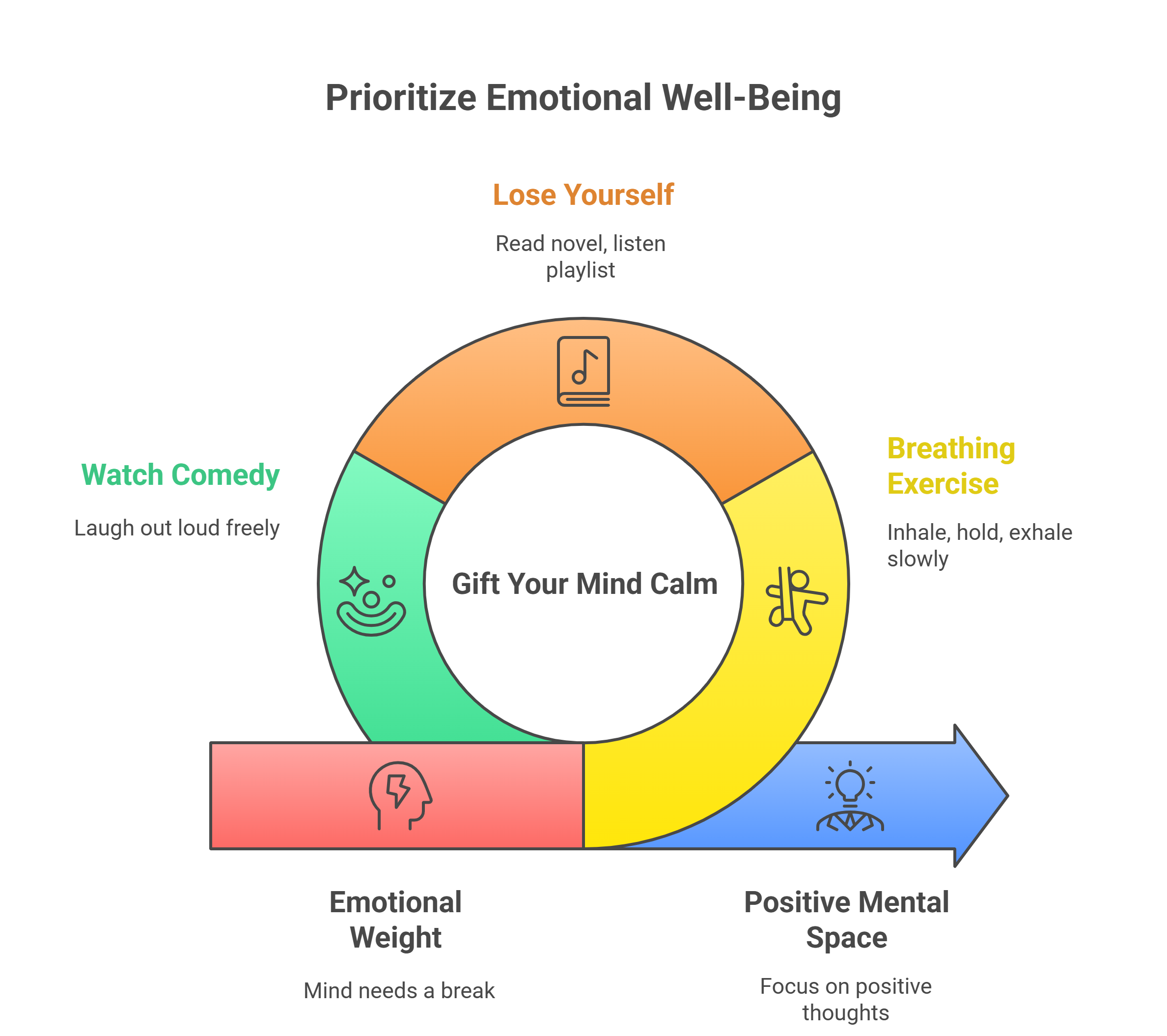
Find small, practical ways to gift your mind some calm. Try a simple breathing exercise: inhale for four counts, hold for four, and exhale for six. Lose yourself in a light novel or a calming playlist. Watch a comedy that makes you laugh out loud. The goal isn’t to police your every thought, but to gently guide your focus away from the “what ifs” and towards a positive mental space.